·
6 min read
Why Metrics Matter

Cathy May
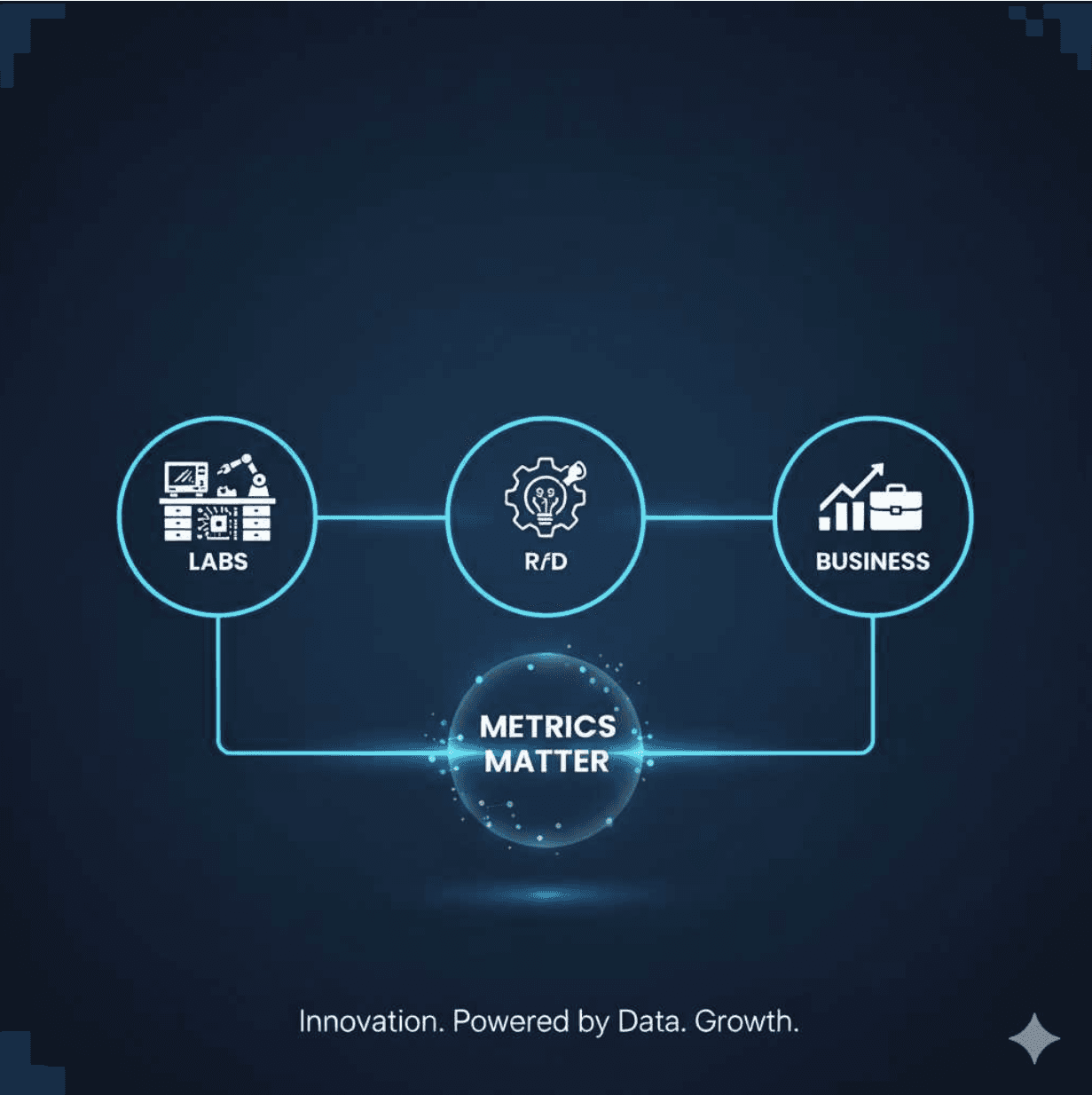
Why Metrics Matter: Turning Lab Data into Business Decisions
Most lab leaders agree on what metrics matter. On-time performance, what is being tested in the lab right now, backlog, volume, and capacity. But the bigger question is why those metrics truly matter to the business and what happens when they are missing, delayed, or inconsistent.
In today’s manufacturing and engineering environments, the lab is no longer just a support function. It directly impacts production schedules, product launches, regulatory compliance, customer delivery, and revenue. That makes lab metrics more than operational indicators. They are business-critical signals.
Metrics Connect the Lab to the Business
When metrics are accurate and visible, they create alignment between the lab and the rest of the organization. Engineering can plan with confidence. Operations can make informed scheduling decisions. Management can justify staffing and capital investments with real data instead of assumptions.
Strong lab metrics allow organizations to make faster, better-informed decisions, identify bottlenecks before they impact delivery, balance workloads, predict demand, and protect customer commitments.
Without trustworthy metrics, labs are forced into a reactive mode. With strong metrics in place, labs become proactive, predictable, and strategic.
The Cost of Poor or Inconsistent Metrics
Many organizations struggle with metrics not because they do not care about performance, but because their data is fragmented. When different teams or locations track work in different ways, the result is conflicting reports, delayed visibility, manual consolidation, and unclear priorities.
When leadership cannot rely on the numbers, decisions slow down. Forecasting becomes guesswork. Capacity planning turns reactive. Performance issues often surface only after customers or production teams feel the impact.
Poor metrics do not just hide problems. They create risk.
What Strong Metrics Make Possible
Better planning
Accurate backlog and capacity data allow teams to plan weeks or months ahead instead of reacting day to day.
Faster problem detection
Trends in on-time performance, rework, or delays surface early, before they escalate into larger disruptions.
Smarter investment decisions
Equipment purchases, staffing increases, and automation projects can be justified with objective data rather than urgency or anecdotal pressure.
Stronger cross-team alignment
Engineering, quality, and operations all work from the same performance reality, reducing friction and miscommunication.
Higher confidence from customers and stakeholders
When delivery commitments are backed by real performance data, trust increases inside and outside the organization.
Metrics Only Work When They Are Systematic
One of the biggest challenges with metrics is not defining them. It is capturing them consistently and continuously.
Manual tracking, spreadsheets, and disconnected tools often lead to incomplete data, delayed reporting, human error, inconsistent definitions, and a heavy administrative burden on lab staff.
A systematic approach ensures that metrics are collected as part of the daily workflow, not as an afterthought. When data capture is built into the process itself, metrics become reliable by design rather than by effort.
From Activity Tracking to Performance Intelligence
The most effective labs do not just track activity. They turn daily operations into performance intelligence. Every test started, completed, delayed, or failed becomes part of a living performance picture that helps leaders answer key questions.
Are we meeting commitments consistently?
Where are our true bottlenecks?
Do we have the capacity to take on more work?
Are delays people-related, process-related, or equipment-related?
What will our workload look like next quarter?
When labs can answer these questions with confidence, they shift from being seen as a constraint to being recognized as a strategic asset.
Metrics Drive Culture, Not Just Reporting
Metrics do more than shape decisions. They shape behavior.
When teams can see performance clearly, accountability improves, continuous improvement becomes data-driven, wins are easier to celebrate, and problems are easier to solve together. Trust grows between teams and leadership.
A strong metrics culture creates clarity, alignment, and momentum throughout the organization.
The Bottom Line
Metrics matter because they connect daily lab activity to high-level business outcomes. They enable smarter decisions, stronger planning, better customer confidence, and sustainable growth.
The organizations that succeed long term are not just the ones that run the most tests. They are the ones that understand their performance best.
Our customers rely on the metrics QATrax LIMS produces to guide daily decisions, improve performance, and stay ahead of the competition. With accurate, real-time visibility into their lab operations, they gain the confidence to plan smarter, respond faster, and continuously improve.